
IELTS Speaking practice online
Eleven to fourteen minutes, three parts, one examiner. Practise each part on its own, then record all three in sequence in the simulator.
What the examiner is actually marking
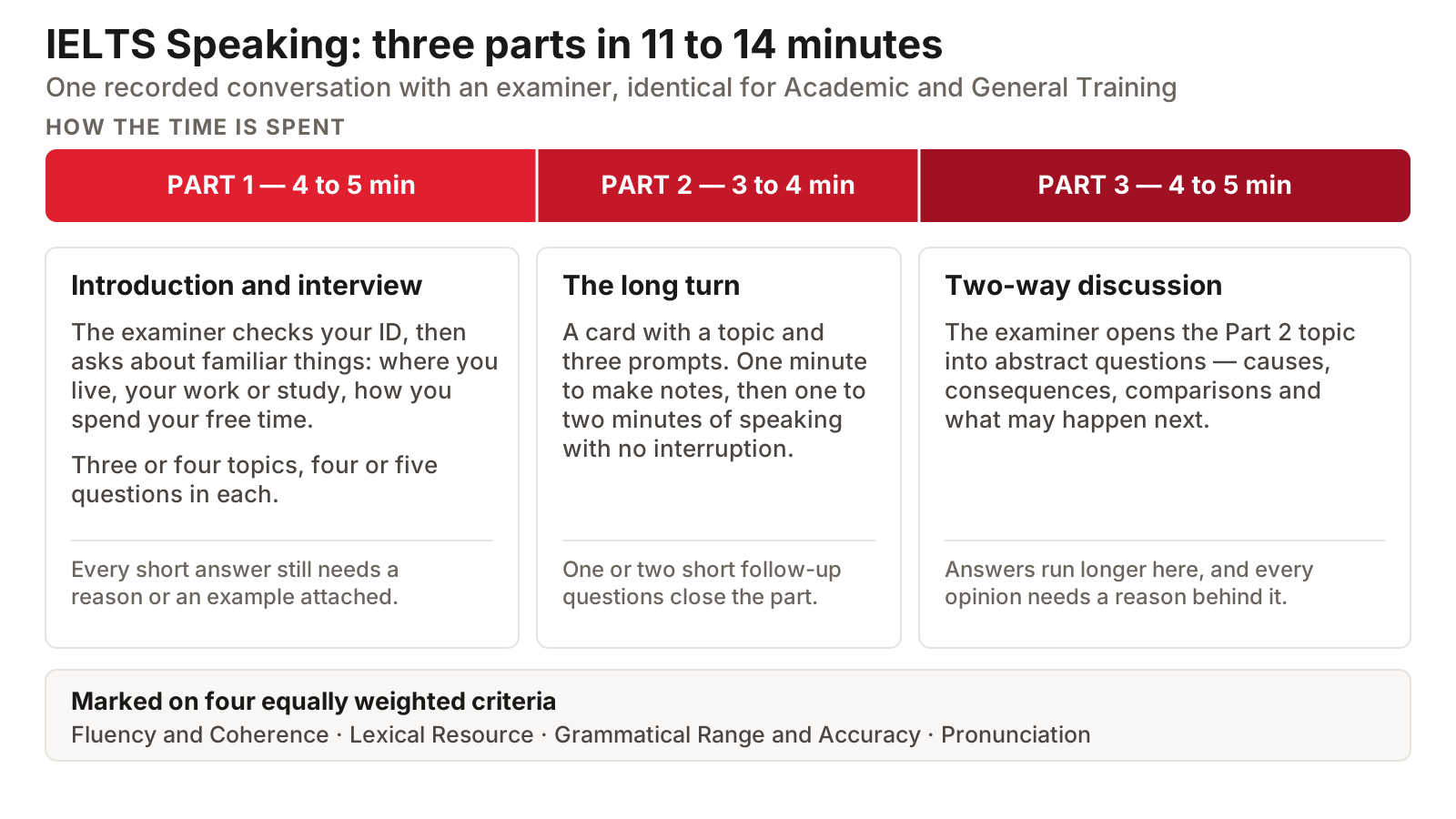
The three parts are one conversation, and they get less personal as they go. Part 1 asks about your own life and rewards a short answer with a reason attached. Part 2 hands you a card and a minute of silence, then wants one to two minutes of uninterrupted speech. Part 3 leaves your life behind: the examiner takes the Part 2 topic and asks what causes it, who it affects and what happens next.
You are not marked on your opinions, or on what you happen to know about the topic. The four criteria are about how you say it — how far you get without hesitating, the range and precision of your vocabulary, the grammar you can control under pressure, and how clearly you are understood. That is why recording yourself matters more here than anywhere else in the test: it is the only way to hear what the examiner hears.
Question type practice
Choose a part to review its format and prompts, or open the simulator to practise speaking aloud.
How to make Speaking practice count
The simulator gives you the timing and the recording. These habits decide whether the recording teaches you anything.
Record every attempt
Speaking practice you cannot play back is a rehearsal of the habits you already have. The recording is the feedback.
Time the long turn strictly
Two minutes is longer than it feels. Practise reaching the end of the card without stopping, and practise stopping cleanly when you are told to.
Prepare for the follow-up
Part 2 closes with one or two short questions on the same card. Candidates who stop practising at the two-minute mark meet them cold.
Change the topic, keep the vocabulary
A memorised answer survives one question and collapses at the second. Take a new cue card each session and make the same vocabulary do new work.
Listen back for the pauses, not the slips
Fluency and Coherence is the first criterion. A long silence costs more than a wrong preposition, and only the playback tells you where the silences are.
Where to record your answers
All free — pick a cue card, then take it into the simulator.
- Part 1 questions and answersTwenty-four everyday topics, each with spoken model answers and the vocabulary they use.
- Part 3 questions and answersEvery Part 3 discussion grouped by theme, with model answers that show the shape of a band 8 reply.
- Cue card libraryOriginal Part 2 cards with cue points, an idea bank and the Part 3 questions that follow.
- Cue cards by topic familyThe same cards grouped by subject, with a sixty-second preparation plan for each.
- Speaking simulatorTimed preparation, a recorded long turn and playback, in the browser.
- Speaking tips and tricksWhat each criterion rewards, and the memorised habits examiners are trained to spot.