
Study method
How to make computer-delivered IELTS practice transfer to test day
Turn screen habits into marks: a palette sweep, a typing check and a review routine that holds up under a live timer.
CD IELTS Prep Editorial Team · Published 23 August 2026 · Updated 30 August 2026 · 6 min read
Original, independent practice guidance. CD IELTS Prep is not an official IELTS provider; confirm current booking and test-day requirements with your test centre.
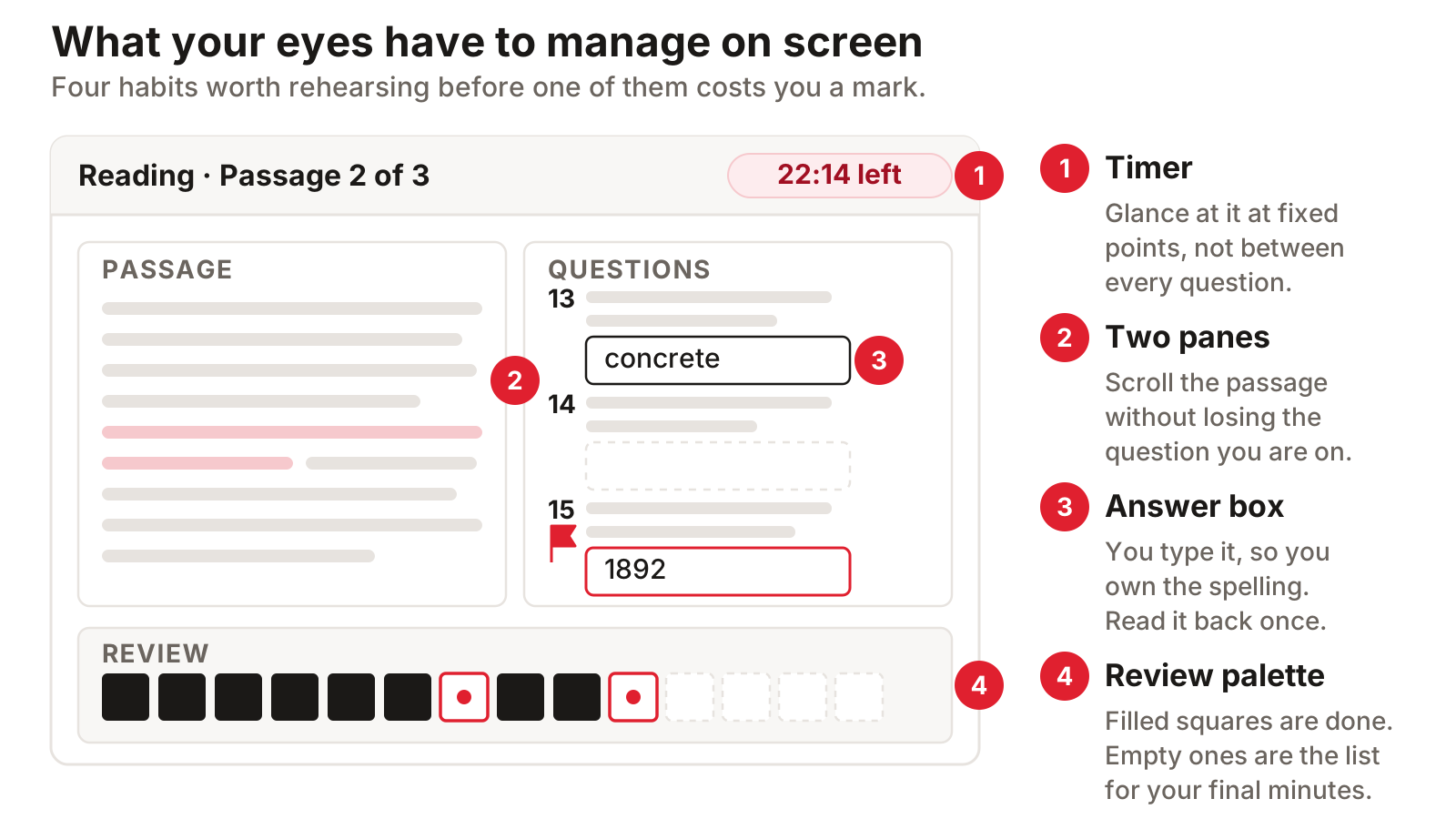
Knowing the content is only half the job. On a computer, you also need a calm routine for moving between parts, tracking unanswered questions, typing accurately, and checking your work without losing time.
Know what the screen gives you, and what it does not
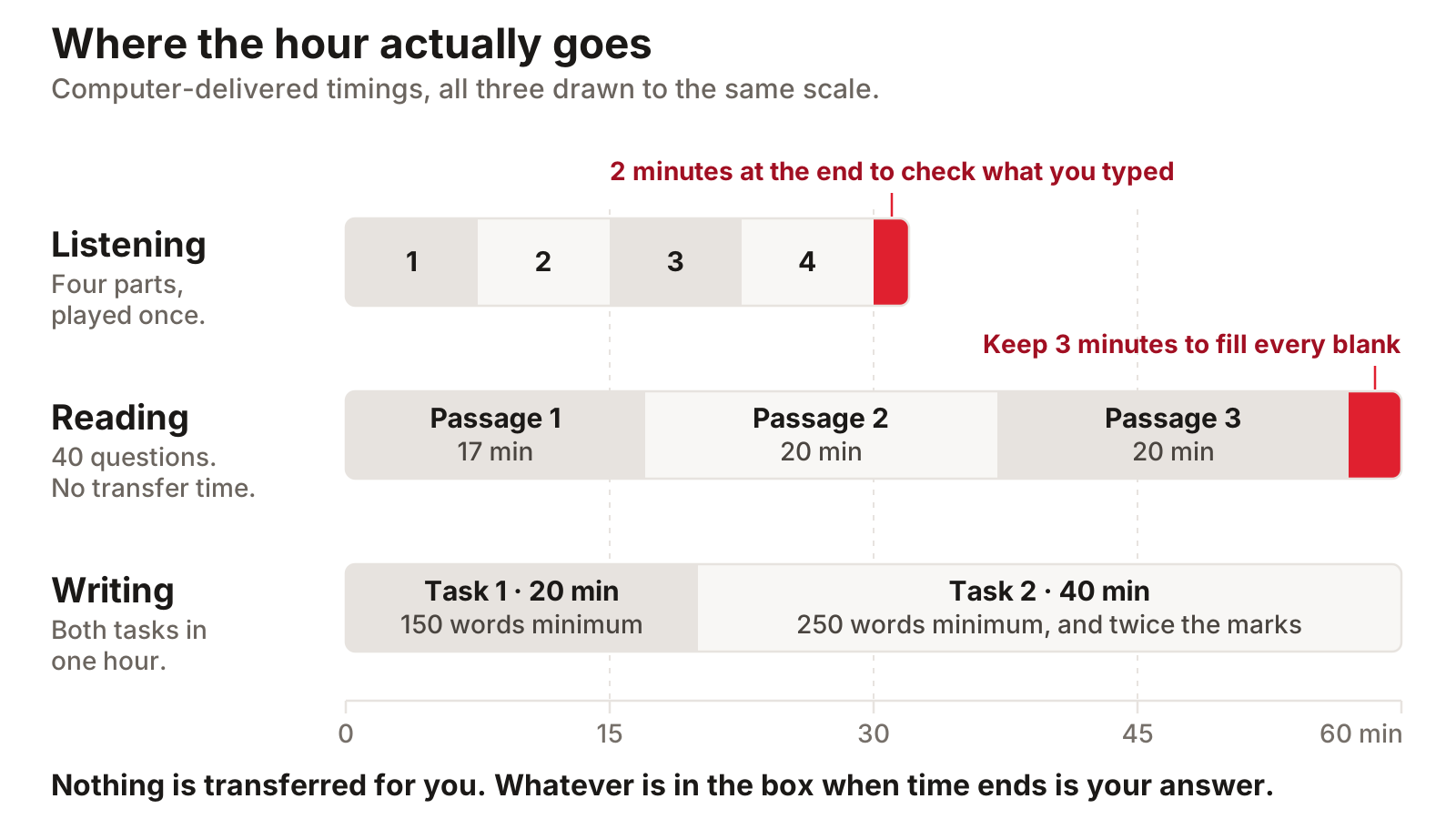
Three timing facts change how you spend the end of a section. Listening plays once and, on screen, gives you two minutes at the end to check what you typed rather than ten minutes to copy answers onto a sheet. Reading gives you sixty minutes for forty questions and no transfer time at all. Writing counts your words as you type, so the 150-word and 250-word minimums stop being guesswork. Learn all three before test day rather than during it.
Practise the interface as a skill
- Find the text size and volume controls in the first minute of a section, not the tenth.
- Use the question palette to notice gaps instead of relying on memory.
- Practise scrolling the passage and questions without losing your place.
- Highlight the sentence that answers a question, never a whole paragraph.
- Type answers directly and check spelling before moving on.
- Use flags only for questions you genuinely plan to revisit.
- Complete some sessions with the real timer visible and no pauses.
Give the last few minutes a fixed shape. With three minutes left, walk the palette from question one, fill every empty square with your best guess, and only then reread the answers you flagged. Blanks come first because an empty box can never earn a mark, while a flagged answer already has something in it.
Review the process, not only the score
After a timed attempt, identify where the marks disappeared. A knowledge gap needs study. A blank answer, a spelling error, or time lost searching the screen needs a better routine. Those are different problems and should not share the same fix.
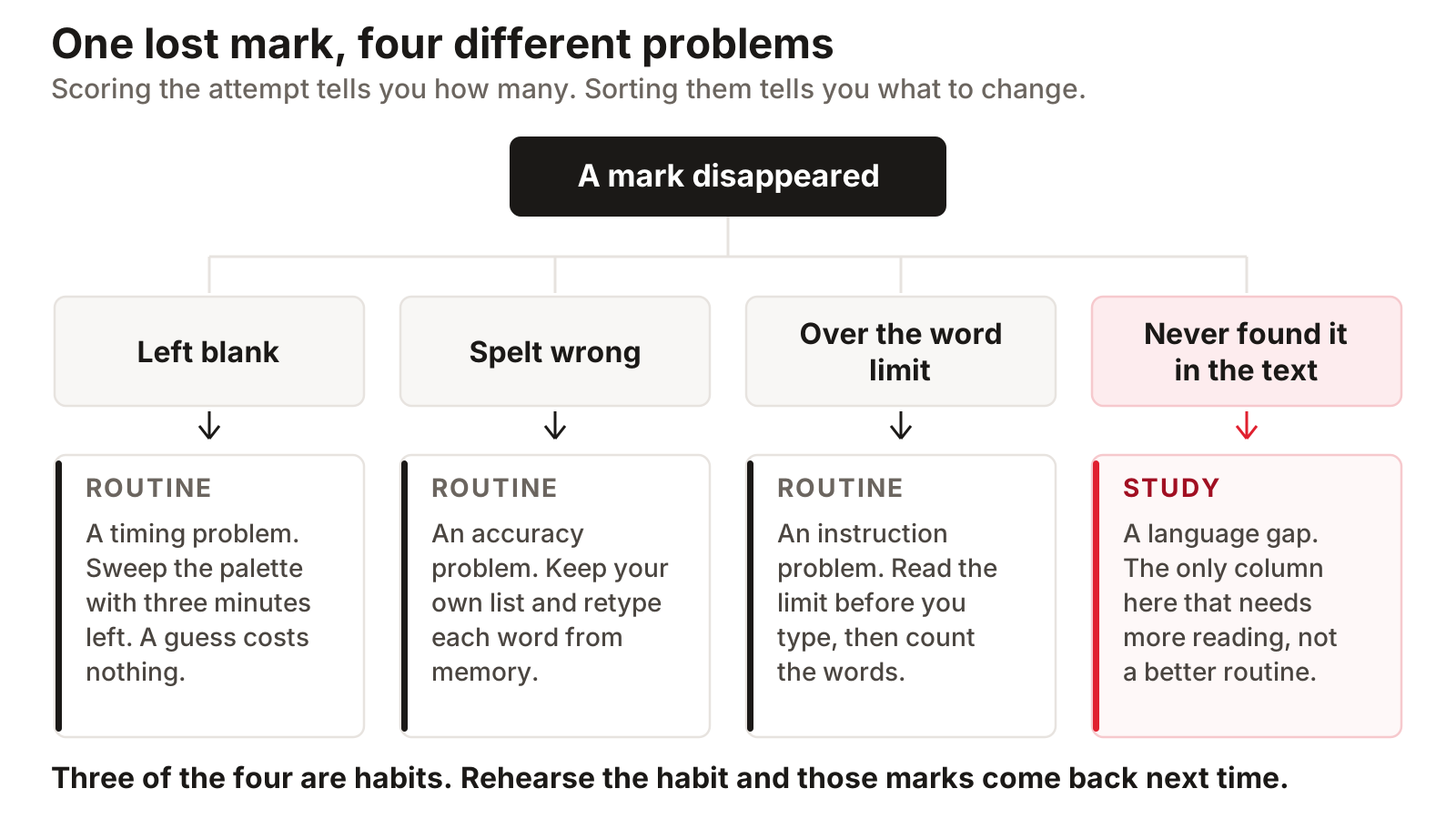
Run that sort after every timed attempt. The same two or three causes will keep reappearing, and that short list, rather than the band estimate, is your study plan for the following week.
Common questions
Should every practice session be timed?
No. Use untimed work to learn a question type, then timed sections to make the method reliable. Finish with full mocks when you can sustain the routine.
What should I do if the interface makes me nervous?
Start with one section and repeat the same navigation routine. Confidence usually grows from predictable actions, not from clicking faster.
Does typing speed matter?
It matters in Writing, where Task 2 alone asks for at least 250 words inside 40 minutes. If you are still hunting for keys, type plain English paragraphs for ten minutes a day until the keyboard stops taking up thinking time.
Ready to rehearse the complete computer-delivered flow?
Choose a mock test