
Reading
Reading answers: spelling, word limits, and avoidable lost marks
Stop losing Reading marks you had already found: a three-check routine for spelling, plural forms and the stated word limit.
CD IELTS Prep Editorial Team · Published 19 August 2026 · Updated 30 August 2026 · 6 min read
Original, independent practice guidance. CD IELTS Prep is not an official IELTS provider; confirm current booking and test-day requirements with your test centre.
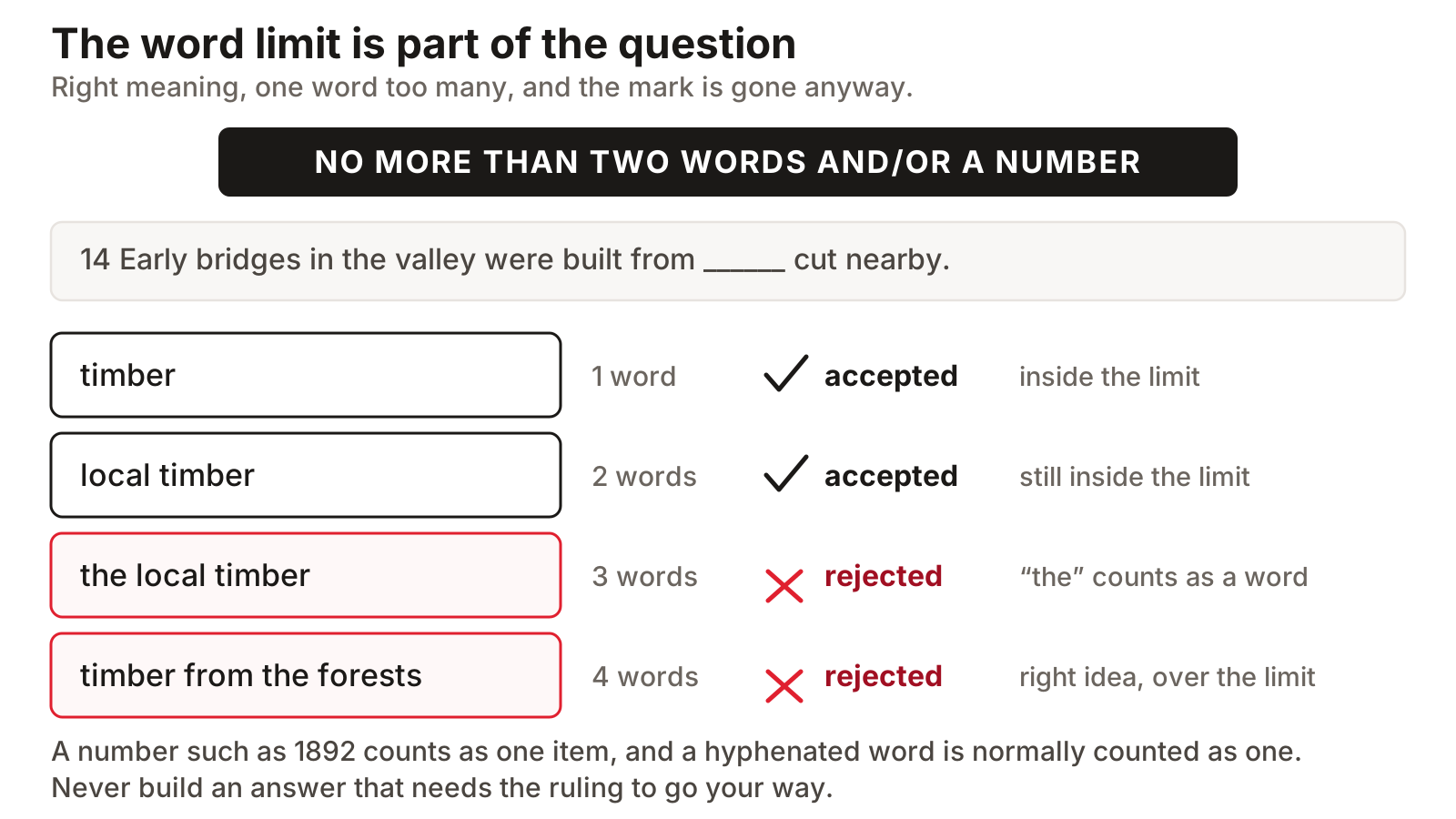
Objective questions reward the answer you submit, not the answer you intended. That makes spelling, the instructed word limit, and the exact question number part of the task rather than finishing touches.
Run a three-part answer check
- Meaning: does the answer directly satisfy the sentence or question?
- Form: does it fit grammatically in the gap, including singular or plural form?
- Rule: does it stay within the stated word and number limit?
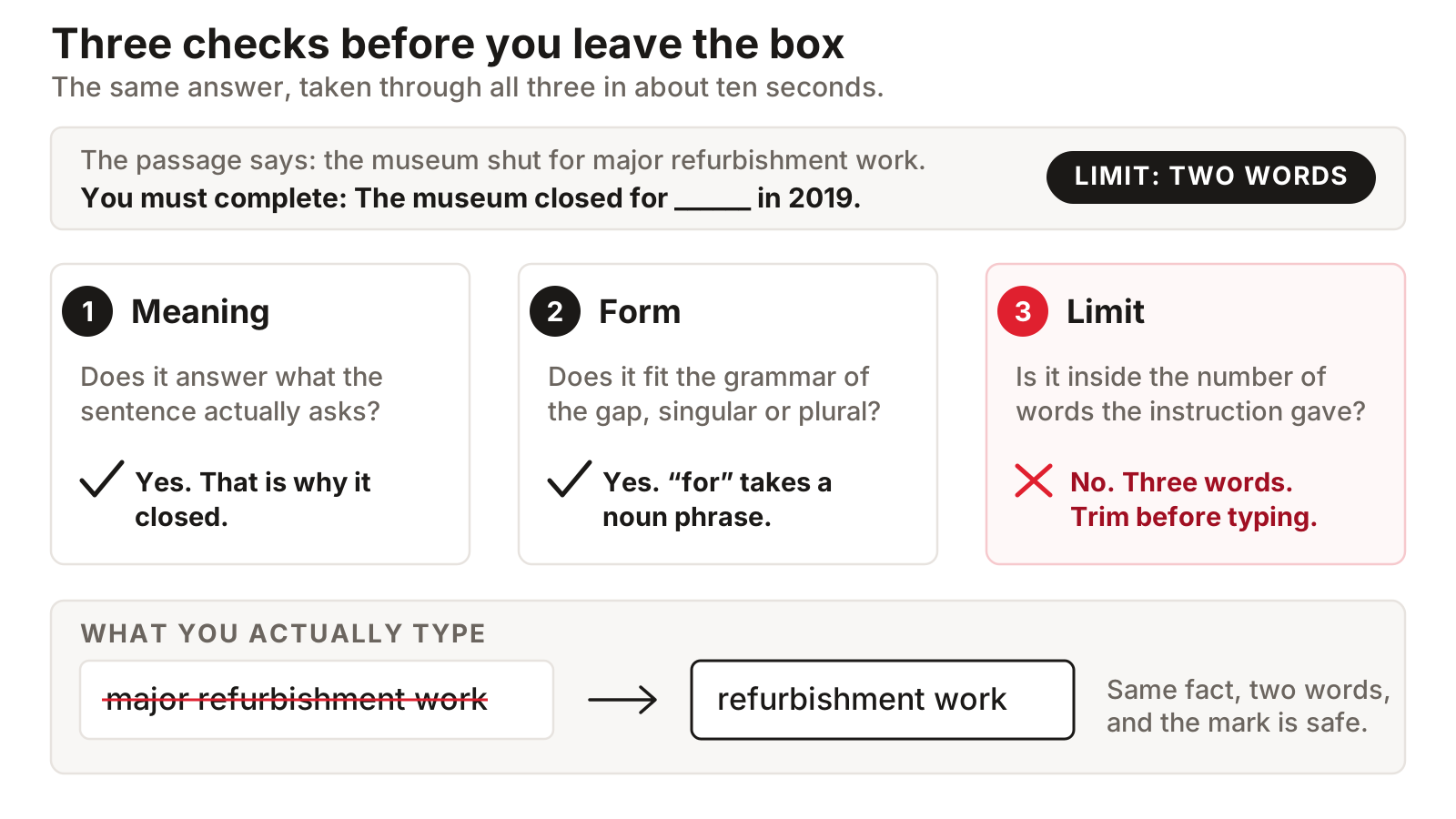
The order matters. Meaning and form are judgements about the text; the word limit is arithmetic. Doing the arithmetic last means you only ever trim an answer you already believe in.
What the marking forgives, and what it does not
Two things are safe. British and American spellings are both accepted where they differ, and an answer typed in capitals is marked the same as one in lower case. Neither rescues a genuine misspelling, and although a hyphenated word is normally counted as one word, that is a ruling you should never have to depend on.
Keep a list of the words you personally get wrong, and drill the patterns rather than the individual words:
- Doubled letters: accommodation, necessary, committee, occurred.
- Letters you cannot hear: receipt, February, environment, government.
- Endings that sound alike: questionnaire, temperature, laboratory, restaurant.
- Plurals that change shape: knives, shelves, industries, analyses.
Retype each word from memory with the list closed, then check. Recognising a spelling is a different skill from producing it in an answer box with a timer running.
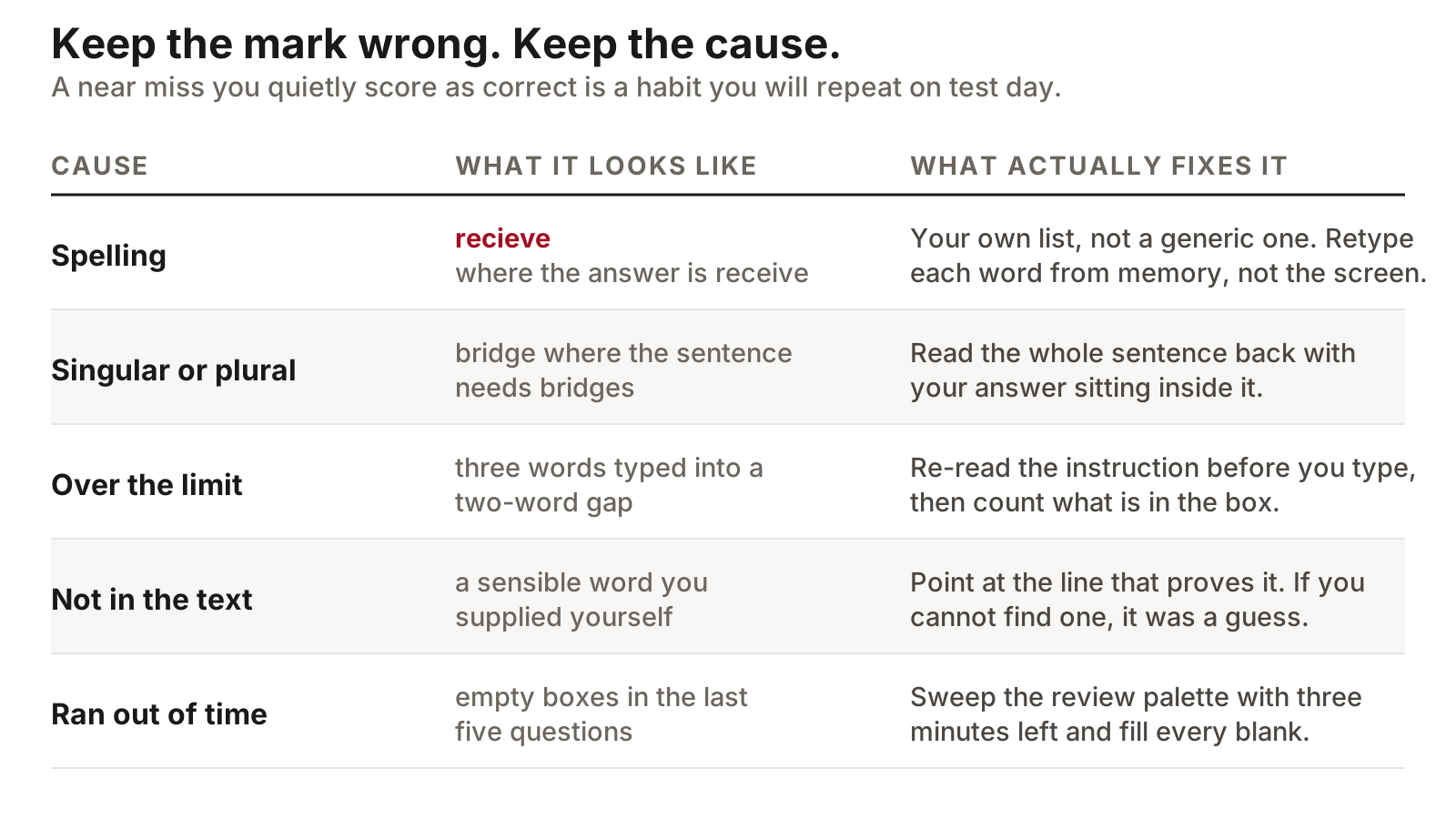
Treat near misses as useful evidence
If practice feedback shows that you were close but not exact, keep the mark as incorrect and record the cause. A separate spelling list, plural check, or word-limit habit is more useful than quietly counting the answer as correct.
Common questions
Should I add extra words to make an answer sound natural?
Only when the instruction and sentence require them. Extra words can break the word limit even when the key idea is present.
Do capital letters matter?
No. An answer in capitals is marked the same as one in lower case, so use whichever is quicker for you. Spelling decides the mark, not the case.
When should I review flagged questions?
Return after completing the section. First confirm blanks, then check flagged answers for evidence, form, and instruction limits.
Practise the checking routine on an original Reading set.
Start Reading practice